
Why Copying Pinterest Does Not Always Work in Interior Design
- Elise Tran

- Jan 15
- 3 min read
Updated: Feb 7
Pinterest has become one of the most popular platforms for interior design inspiration. With endless images of beautifully styled homes, it is easy to believe that recreating a Pinterest interior will automatically result in a successful space. In reality, copying Pinterest designs often leads to frustration, unexpected costs, and interiors that do not function as intended. As an interior and architecture studio working in Southeast Asia, I often see the gap between visual inspiration and real-world design outcomes.

Pinterest Shows the Image, Not the Environment
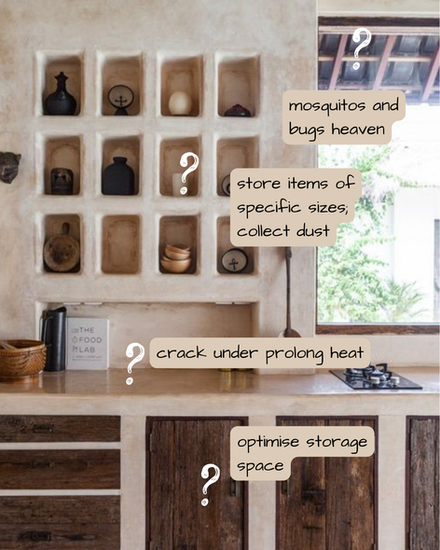
Pinterest images are usually taken in specific locations with very different climates, lifestyles, and building conditions. A Scandinavian living room, a Parisian apartment, or an Australian home may look visually appealing, but these spaces are designed for environments that differ greatly from Southeast Asia. Climate, humidity, ventilation, and sunlight exposure all play a critical role in how an interior performs over time. When these factors are ignored, a copied design may look good briefly but age poorly or feel uncomfortable to live in. Good interior design always responds to its environment.
Photography Creates Unrealistic Expectations
Most Pinterest interiors are professionally photographed. Lighting is carefully staged, colors are corrected, and angles are chosen to make spaces appear larger, brighter, and more balanced than they truly are. When these images are copied without understanding the spatial realities of a home, the result often feels darker, smaller, or visually heavier than expected. Design decisions based purely on images overlook proportions, ceiling heights, and natural light conditions. Design starts with space and light, not styling.
Materials Matter More Than Appearance
Materials that look beautiful on Pinterest do not always perform well in tropical or humid climates. Certain woods, fabrics, paints, and finishes may warp, stain, mold, or deteriorate when used incorrectly. Pinterest rarely shows how materials age or how much maintenance they require. Without professional guidance, homeowners may choose finishes that are unsuitable for long-term use. Thoughtful material selection balances aesthetics, durability, and climate response.
Pinterest Does Not Show the Design Thinking
Pinterest focuses on results, not process. What is missing from most images is the design logic behind the space. Budget constraints, client needs, structural limitations, and daily lifestyle requirements are rarely visible. Interior design is not about replicating a look. It is about solving spatial problems through thoughtful planning and informed decision-making. A well-designed space is one that works, not just one that looks good.
Personal Lifestyle Is Often Ignored
A Pinterest interior may not reflect how you actually live. Storage needs, working habits, family routines, and cultural practices all influence how a space should be designed. When visual inspiration takes priority over function, homes can feel impractical, cluttered, or uncomfortable despite looking polished. Successful interiors support everyday life with clarity and ease.





How to Use Pinterest Effectively for Interior Design
Pinterest works best as a reference tool, not a design blueprint. It helps identify preferences, moods, and elements you are drawn to. When shared with a designer, it becomes a starting point for conversation rather than a fixed outcome. A professional interior designer translates inspiration into a space that fits your home, your climate, and your way of living.
The Importance of Professional Guidance
Working with a professional can make a significant difference in your interior design journey. A designer understands the nuances of space, light, and materials. They can help you navigate the complexities of creating a functional and beautiful interior. This guidance ensures that your space is not only visually appealing but also practical for your lifestyle.
Conclusion
At The Illuminist Concepts, I believe good design is not copied. It is interpreted, adapted, and thoughtfully crafted for context, clarity, and longevity. Embrace the inspiration that Pinterest offers, but remember to approach it with a critical eye. Let it guide you, but not dictate your design choices. Together, we can create spaces that truly reflect how you live and work.


Comments